
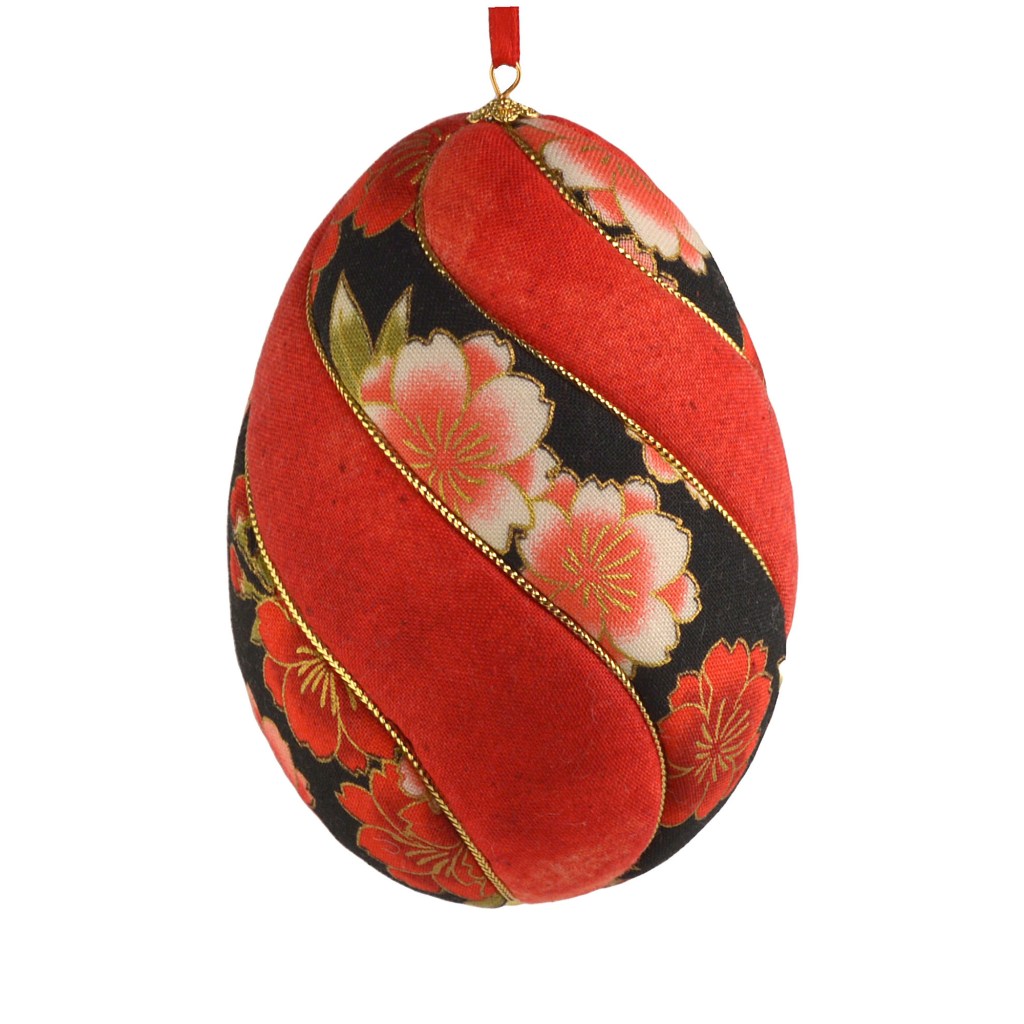
The traditional kimekomi doll-making technique has a rich history that dates back centuries in Japan. According to legend, kimekomi was invented by a carving artist of the Kamigamo Shrine, named Takahashi Tadashige, who used wood remnants from his work at the shrine to carve dolls, then covered them with kimono fabric scraps, tucking the fabric pieces into the wooden form.
Kimekomi doll making is still a popular hobby and art form in Japan. A doll torso base, nowadays usually molded from wood composite, is marked with a pattern and then carved along the lines. Next, silk or crêpe fabric pieces are tucked into the grooves, secured by rice starch glue. The head and hands are fastened on the doll after the fabric work is done. In the finished doll, the fabric tucked into the base appears like a garment with naturally falling folds and drapes. Aside from dolls, sometimes zodiac animals or balls (“mari”) are made in the kimekomi technique.
learn more about traditional kimekomi
If you want to learn more about Japanese doll making or maybe even try your hand at it, I recommend visiting this Japanese webstore. It has many kimekomi doll kits to choose from, a tutorial, and a gallery with finished customer projects. Below is a picture of a doll that I made from one of their kits. Another Japanese doll store with a vast selection is this one with information on kimekomi styles and history as well as a picture tutorial.

ornaments in the kimekomi technique
Outside of Japan, a simplified version of the kimekomi technique has gained popularity. This modern adaptation uses polystyrene balls, eggs, or other simple shapes as a base material instead of wood composite, and all sorts of fabrics for finishing. Because of the light weight of the polystyrene base, the finished pieces can and are used as hanging ornaments, especially to decorate Christmas trees.
In another deviation from the original technique, a decorative cord is attached along the cut lines of kimekomi ornaments. Many crafters also decorate their finished ornaments with ribbons, bows, pearls, rhinestones, or jeweled pins.
Get creative
What makes the modern kimekomi technique so fascinating is the flexibility it offers in terms of design and creativity. Crafters can experiment with various fabrics, colors, and textures, allowing them to customize their creations to suit their personal tastes or match different themes and seasons. At the same time, the craft does not require special tools or skills and is very accessible to many people across all age groups.
Whether you’re a seasoned crafter or just starting out, the modern kimekomi technique provides a great way to express your creativity and add a touch of Japanese artistic tradition to your home décor. So why not give it a try and see where your imagination takes you?


 Susanne’s Ornaments